- Ganesh Chaturthi: A Celebration of New Beginnings, Faith and Togetherness
- Makhan, Mischief & Memories: A Janmashtami Celebration of Family, Food & Togetherness
- Temple Town Wedding Season Begins – What to Know
- When Onam Begins to Feel Like Home
- Celebrating 387 Years of Madras: The City That Never Stops Evolving
- Routes of Freedom: From the Madras Presidency to the Journeys We Take Today
- Onam Sadhya: The Taste that makes the tradition Complete
- Where Should You Host Your Next Corporate Event?
- Weekend Getaways from Chennai
- Best Family-Friendly Hotels in South India
- More Than a Feast: The Little Moments That Make Onam Unforgettable
- Explore Madurai, Kodaikanal & Palani in One Memorable Trip
- Thirumalai Nayakkar Mahal
- 48 Hours in Madurai: How To Fall In Love with Thoonga Nagaram
- Whispers in Stone and Jasmine The Timeless Soul of Chennai’s Kapaleeshwarar Temple
- The Little Things You Never Notice but Always Remember
- Tail Wags & Soulful Stays: Why Your Dog Needs A Holiday Too
- What Does Freedom Feel Like? A Journey Across South India
- The Friends Who Travel Together Collect Stories, Not Souvenirs
- Four Paws, Five Stars: What Your Cat Would Really Say About Your Hotel Stay
- Guru Purnima: The Greatest Teacher You Meet May Be the Journey Itself
- 48 Hours in Chennai: Everything You Need to Know
- Comfort Food, Comfort Company: The Soulful Dining Experience at GRT Hotels & Resorts
- The Many Moods of Pondicherry: A Soulful Guide to the French Riviera of the East
- The Smart Traveller’s Guide: Unlocking Affordable Luxury & Soulful Hospitality in Tamil Nadu
- Paws & Puddles: A Pet Parent’s Guide to Navigating Monsoons in the Hills
- The Aani Aadi Trail: Best Temple Towns to Visit This July in Tamil Nadu
- Palani Hills Tourism
- Best Time to Visit Wayanad
- Best Hill Station in Tamil Nadu
- Shevaroyan Temple Guide
- Solo Travel in India: Why More Travellers Are Choosing Themselves First
- Why the Best Business Decisions Aren't Always Made in Meeting Rooms
- The Great Botanical Coromandel Explorer: A Journey Through Flavour, Discovery & Gin
- Six Destinations, One Soulful Journey: Exploring the Arupadai Veedu Trail
- Millets, Fermentation & Gut Health: Ancient Wisdom on Your Plate
- Your Business Trip Just Became a Holiday Here's How to Make It Last 5 Days
- Mid-Year Reset: Why June Is The Best Time For a Workation in South India
- Smart Stays for Young Professionals: Where Work, Wellness & Wanderlust Meet
- South Indian Thali Decoded: It’s So Much More Than a Meal
- Where Big Ideas Find a GReaT Home Conference Planning in Andhra & Telangana
- Top 5 Bleisure - Friendly Cities in South India – Work Smarter, Wander Soulfully
- Chembra Peak
- Discover the Soul of Tirunelveli at the Aani Therottam
- Healthy Aging, Soulful Living: How Yoga Inspires a More Meaningful Journey
- Ani Uthiram Festival in Tamil Nadu: A Journey Through Heritage, Culture, and Spiritual Renewal
- Arupadai Veedu
- Weekend Getaway from Bangalore to Yercaud
- Chennai to Kodaikanal Trip
- Navagraha Temples
- Rain, Restore, Rejoice – Why Monsoon Is The Most Magical Time for a Spa Retreat
- The Art of Rainy Workation: Why the South Indian Monsoon is the Ultimate Bleisure Muse
- The Petrichor Path: A Soulful Guide to South India’s Monsoon Magic
- Why Hospitality Must Lead the Wellness Conversation
- A Decade of Reimagining Indian Gastronomy at J.Hind by Grand Chennai
- Chennai’s Best-Kept Secret Reopens: The Return of the CODE by Steam and Whistles
- The Season of Flowers and Soulful Escapes in Kodaikanal
- Weekend Getaway from Chennai to Thanjavur
- Kodaikanal Places to Visit
- Palani Kovil Guide
- Chennai to Yercaud Trip
- Edakkal Caves in Wayanad
- Celebrating the Brilliance of Vaikasi Visakam: A Journey into the Heart of Tamil Heritage
- Sleep Tourism: The Travel Trend You Didn’t Know You Needed
- Beyond The Metros: Why South India’s Emerging Tier 2 Cities are the New Hubs for Business Travel
- Eating with the Seasons: What Tamil Nadu Serves in Peak Summer
- Thirupparankundram Temple: The Story of the Hill That Has Seen Everything
- The Seashore Sentinel: Tiruchendur's Subramaniya Swamy Temple
- The Hill of Wisdom: Swamimalai Swaminathaswamy Temple
- Tamil Nadu: India’s Most Soulful Wedding Destination
- Beyond the 365 Steps: A Journey to the Soul at Subramaniya Swamy Temple
- Pazhamudircholai Murugan Temple: Where the Forest Exhales & the Soul Breathes
- Places to Visit in Palani
- Places to Visit in Wayanad
- Tourist Attractions in Yercaud
- Dear Pets: Your Bags Are Packed. Let’s Go.
- Where the Heat Can’t Follow You: South India’s Finest Summer Hill Escapes
- Spiritual Detox: A Soulful Spiritual Detox for Modern Burnout
- Log Off. Breathe In. You Deserve This: A Digital Detox at GRT Hotels & Resorts
- Sea Love and Soulful Summer Stories
- Soulful Summer Stories in the Hills: Discover Yercaud Like Never Before
- The City That Lives on Salt, Pearls & The Sea
- Seven Steps, One Lifetime: The Sacred Heart of a Tamil Kalyanam
- One Property: A Thousand Promises. How GRT Hotels Hosts Every Story, Every Day
- Kodaikanal and Summer — an inseparable combination for creating soulful stories
- Tourist Attractions in Kodaikanal
- Magnificent Temples in Palani
- Pagoda Point Yercaud
- Arupadai Veedu: A Pilgrim’s Journey Through the Six Sacred Homes of Lord Murugan
- Puthandu 2026: The Tamil New Year That Smells Like Jasmine and Tastes Like Home
- Hillside or Seaside This Summer Vacation 2026
- Ugadi 2026: When Your Year Begins With a Bowl of Everything
- Panguni Uthiram 2026: When the Stars, the Gods, and Tamil Nadu’s Soul Align
- When the Gods Get Married: The Magic of Madurai’s Chithirai Festival
- Your Annual Meeting Deserves a Venue That Means Business
- Summer Vacation 2026: Best Family Getaways in South India
- Kanaka Durga Temple in Vijayawada
- Why Booking Direct with GRT Saves You More
- The South India Vacation Guide You Didn't Know You Needed
- A Pink-Tinted Getaway: Experiencing Bengaluru in Bloom
- Saffron Sunsets and Peppery Dawns: A Day on the Tamil Spice Trail
- How Tamil Nadu’s Ancient Spices Are Your Secret Summer Survival Kit?
- One City, Two Moods: The Art of Shredding Your Corporate Persona
- Lakes in Kodaikanal
- Tourist Attractions in Kakinada
- Deccan Festival in Hyderabad: A Grand Celebration of Culture & Heritage
- 5 Reasons Why Guests Are Choosing Experiences Over Itineraries at Great Trails Kodaikanal
- The Soul of the Deccan: A Sensory Journey Through Hyderabad’s Most Iconic Festival
- Mahashivratri in Tamil Nadu: A Journey Through the Night of Infinite Stillness
- Love, Uninterrupted: A Valentine’s Story About Time, Care & Indulgence
- Love, Laughter & Leisure: Planning a Valentine’s Retreat This Season
- Coffee Blooming Season: A Treat for Coffee Lovers at GReaT trails by GRT Hotels
- Thaipusam in Palani: Where Faith, Discipline, and Inner Victory Come Alive
- Arulmigu Mahishasura Mardhini Temple
- Nava Tirupati
- The Wanderer’s Palate: 5 Cities, 5 Flavours, One Unforgettable South India Journey
- From Meetings to Me-Time: The Bleisure Way to Travel
- Press the Body’s Calm Button through Bodhi Prana’s The Vagus Nerve Therapy
- Short Getaways for Long Relaxation: Weekend Escapes to Reset Your Mind
- Sleep, Reset, Repeat: The Rise of Napcation Travel in India
- More Than a Harvest: Pongal and the Pride Behind the Horns
- The Sun, The Soil, and The Soul: Why Pongal is the Ultimate Reset You Need in 2026
- Palani Murugan: The Hill That Teaches You to Pause, Let Go, and Begin Again
- New Year Resolutions That Truly Matter Embrace Great Wellbeing This Year
- GReaT trails Kodaikanal by GRT Hotels: An Invitation to the Ultimate Winter Experience
- 12 Unmissable Festivals & Events in South India 2026
- Mojo’s Magical Wonderland: A Christmas Story by GRT Hotels & Resorts
- Thiruchendur Murugan Temple
- Arulmigu Nellaiyappar Temple
- Solo Travel in South India Made Comfortable
- What to Pack for a Hill Stay vs. Beach Stay
- Perfect Your Dream Wedding the GRT Hotels and Resorts Way
- Thiruthani Murugan Temple
- Paws, Bags & Beautiful Beginnings
- Pearls, Paddy, and the Point Where Oceans Meet
- The Three Shades of Serenity: Madurai, Kodaikanal, and Rameshwaram
- The ECR Diaries Three Cities, One Soul
- Industries in Tuticorin
- 12 Ceremonies That Celebrate the Unity of Love in Indian Weddings
- The Untold Legends of Meenakshi Amman Temple
- The Silent Heart of Madurai’s Sacred Harmony
- St. Mary’s Cathedral Church, Madurai – History, Faith & Divine Darshan
- Discovering the Spirit of Halloween
- Monsoon Moods and the Magic of Food
- World Mental Health Day
- Celebrating World Post Day
- Temples in Kanchipuram
- Industries in Kakinada
- Madurai Meenakshi Temple and More
- Guide to Coringa Wildlife Sanctuary
- Sarees in Kanchipuram
- Embracing the Power of Shakti
- World Tourism Day
- National Chai Day
- Best Time to Visit Madurai
- Madras Day 2025
- Top Places of Interest in Madurai
- Top Madurai Tourist Attractions
- The Glorious History of Thanjavur
- Best Places to See in Kodaikanal on Your Vacation
- Bangalore to Wayanad Trip: A Complete Guide
- Places to Visit in Kakinada
- Must-visit Tourist Attractions in Thanjavur
- Bangalore to Kodaikanal Road Trip
- Kakinada Hotels near the Beach
- Best Tourist & Sightseeing Places to Visit in Vijayawada
- Best Kodaikanal 3-day Itinerary
- The Best Wayanad 3-day Itinerary
- 5 GReaT Reasons Why GreaT trails Yercaud is the Perfect Corporate Destination
- Places to Visit in Yercaud
- Going green for its silver year
- Planning a vacation? Here’s why Wayand should be on your list
- Off the grid in Wayanad: 3 days in this magical hill station
- Fall into a delicious food coma in Wayanad
- Work with a view, and then some!
- A slice of heaven in God’s own country
- Radisson Resort Pondicherry Bay, The perfect beach holiday
- Adding relief to the relief efforts
- COVID’s impact on online marketing in the hospitality industry
- COVID-19: A Lesson in Humanity for Humanity
- Redefining thoughtful leadership: Our CEO’s approach to uncertain times
- The chronicles of our GReaT Warriors
- A Step In The Right Direction
- Maintaining a safe haven for guests during the pandemic
- The Anglo-Indian pop-up restaurant that transports you 70 years
- A summer getaway to the chilly mountains, GRT Great Trails, Kodaikanal
- Tirunelveli in touch with yesterday
- Are you monsoon ready?
- A Tasty Tribute to Thalaivar
- The GRT Group of Hotels Temple Tour: Regency Kancheepuram by GRT
- Check Out Our Amazing April Adventures
- The GReaT Summer experiences at Radisson Blu Resort Temple Bay, Mamallapuram
- Addictions That Are Good For You
- The Cake Is Mixed
- A gourmet indulgence by the seaside, The Wharf 2.0, Radisson BLU Temple Bay, Mahabalipuram
- What’s Coming in 2018?
- GRT & SICA Go Gallivanting in Europe
- NABH Certification for Bodhi Spa – Radisson Blu Hotel GRT Chennai
- DIY Dum Biriyani Recipe
- Shutterbugs Come To Mamallapuram
- Wine and dine by the scintillating view of the ocean at Mamallapuram
- FHRAI Awards Three of Our Team Members
- No Room To Waste Food
- United For Tamil Nadu’s Tourism
- DIY Super Bowls of Nutrition
- Where Food & Notifications Aren’t Friends
- 4-Step Guide To Planning An Event
- A Brand New HQ for Brand New Ideas
- DIY Paneer Makhmali
- Unusual and Interesting Ingredients in the GRT Kitchens
- Bodhi Spa Wins World Luxury Spa Award
- Why Do You Travel? For A Bit Of Everything
- Radisson Blu Resort Temple Bay, an oasis near Chennai
- The Grandeur of Grand by GRT, T. Nagar, Chennai
- Traversing the roads from Chennai to Kanchipuram with GRT Hotels
- Lunch now comes with an express massage therapy at Radisson Blu by GRT Hotels
- Paradise unveiled at The Radisson Blu Resort Temple Bay by GRT Hotels, Mamallapuram
- Follow Us To The Lord’s Sacred Abodes
- Planning The Perfect Wedding Menu
- The Veteran Hoteliers at GRT Hotels & Resorts
- An Ode To Our Housekeeping Stars
- Kenya Diary: Mumbai Transit
- Why You Should Book Direct With A Hotel
- Prepping For The Summer Holidays
- Coimbatore Has New Kid Block
- Defining Culture in Hotels
 DIVINE DARSHANBLOG
Arupadai Veedu: Where 6 Temples Tell the Story of Lord Murugan

6 temples, 1 deity, and an origin story so dramatic that every generation has been retelling it for over a thousand years. The Arupadai Veedu refers to the 6 sacred abodes of Lord Murugan, each marking a pivotal chapter in his mythological journey across Tamil Nadu. These temples are among the oldest and most revered pilgrimage sites in South India, drawing millions of devotees every year. The circuit stretches from the rock-cut caves of Thiruparankundram to the fruit groves of Pazhamudircholai, covering enough ground to test any travel itinerary thoroughly.
Each temple preserves a distinct episode from Murugan's life, from his marriage to his victory in battle. Tamil devotional literature, particularly the Thirupugazh by Arunagirinathar, has celebrated these 6 sites for centuries as the heart of Murugan worship. What follows is the full story behind each temple, with everything you need to plan the journey before the crowd does.

Thiruparankundram: Where Lord Murugan Married Deivanai
Arulmigu Subramaniya Swami Temple, Tirupparankundram, is the first of the 6 Lord Murugan temples, and it opens the circuit with a wedding that has been in the news for roughly 15 centuries. The rock-cut cave temple sits about 9 km south of Madurai and dates back to the early Pandya era, between the 7th and 16th centuries CE. Lord Murugan is worshipped here with his consort Deivanai, commemorating their divine marriage after his victory over the demon Surapadman. The temple is carved directly into the hillside, which means the ancient builders looked at a perfectly solid rock face and decided it needed interior design.
Jain carvings inside the cave complex confirm that the site served multiple religious traditions before Murugan worship became the dominant practice here. The inner corridors are cool even in peak summer, a feature that every visitor appreciates about thirty seconds after stepping inside from the heat. Thaipusam and Panguni Uthiram are the biggest annual festivals, transforming the entire hillside into a vibrant gathering of devotees. If you are starting the Arupadai Veedu circuit from Madurai, this temple is close enough to reach before your morning coffee gets cold.

Thiruchendur and the Battle on the Shores of the Bay
Thiruchendur Murugan Temple is the only temple in the Arupadai Veedu circuit where the sea breeze does half the work of calming you down. This coastal temple in the Thoothukudi district sits directly on the shores of the Bay of Bengal, facing east towards the open water. It marks the site where Lord Murugan defeated the demon Surapadman in battle, the victory that defined his role as protector. The 157-foot gopuram is visible from a considerable distance, which is useful because the temple draws the kind of crowd that makes parking an adventure.
The Nali Kinaru, a freshwater well near the temple, produces sweet water despite being metres from the sea, a geological curiosity devotees revere. Thiruchendur became one of the first temples in Tamil Nadu to receive ISO certification in 2016 for its management. Evening visits here are worth the timing alone, when the sunset turns the gopuram golden, and the Bay of Bengal provides the soundtrack for free.

Palani: Where the Hermit God Stands on the Hill
Arulmigu Dhandayuthapaniswamy Temple, Palani, is arguably the most visited Murugan Temple in Tamil Nadu, drawing devotees from across the country throughout the year. The hilltop temple in Dindigul district requires either a steep climb, a ropeway ride, or the kind of determination that skips both and just walks. The main idol here is made of 'Navapashanam', a refined blend of 9 purified mineral poisons and metalloids, attributed to the sage Bogar. Here stands Lord Murugan bearing the sacred 'Dhandam', the staff that is attributed to the naming of his new form, Dhandayuthapani. Thus came the name of the ascetic monk who is praised across scriptures and hymns, who proved his grip on reality was as firm as his grip on the divine staff, eternally proven by his act of renunciation.
The Panchamritam offered here is so famous that it received a Geographical Indication tag, making it an officially protected temple offering. Kavadi, the ceremonial burden carried by devotees up the hill, is a physical commitment that puts every gym membership to quiet, respectful shame. The temple operates from 6:00 AM to 8:00 PM, unlike most other temples on the circuit. Palani runs on a level of spiritual energy that does not seem to have an off switch, which is exactly why pilgrims keep returning year after year.

Who Should Stay Here?
Executives visiting industrial units or chemical and salt factories, engineers and consultants working on complex projects, business partners involved in diamond and pearl shipping in Tuticorin, and entrepreneurs scouting opportunities will all find Regency Tuticorin a perfectly strategic and welcoming base.
We combine business convenience with warm hospitality, ensuring that guests stay productive during the day and relaxed in the evening. Think of it as a seamless blend of comfort, efficiency, and thoughtful service, all without the usual corporate hotel stiffness that makes you wonder if smiling is allowed.
Swamimalai: Where Murugan Became the Teacher of Shiva
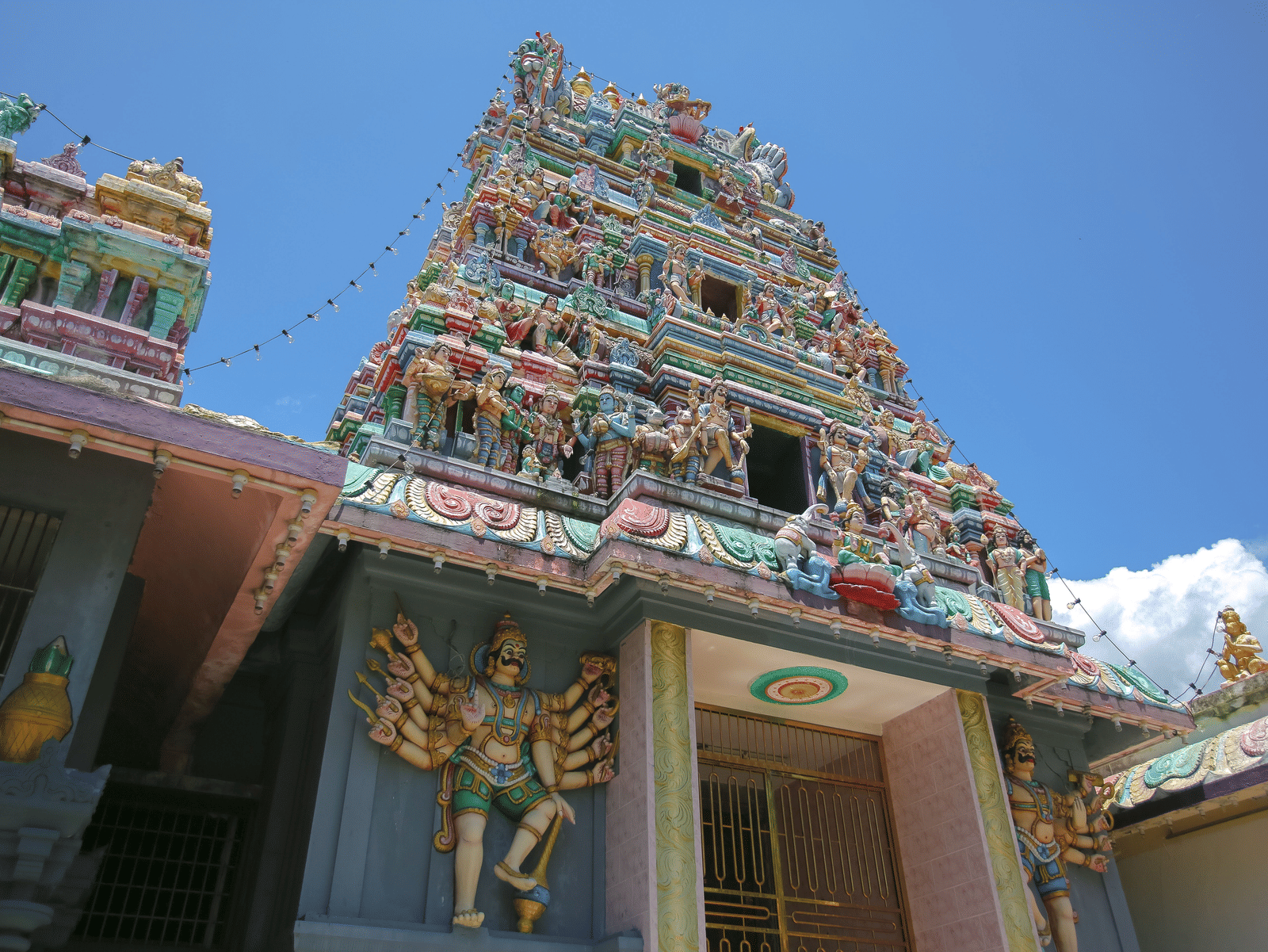
Arulmigu Swaminatha Swamy Temple, Swamimalai, is the temple where Lord Murugan taught the meaning of ‘Om’ to Lord Shiva himself, a career move no teacher has topped since. Located near Kumbakonam in Thanjavur district, the temple sits atop a small hill reached by climbing 60 steps, one for each Tamil calendar year. The presiding deity here stands 6 feet tall, and uniquely, Murugan's mount at this temple is an elephant instead of a peacock. The 60 steps are manageable for most visitors, though the afternoon heat in Thanjavur district has a way of making each step feel philosophical.
This is the only Arupadai Veedu temple where Murugan appears as a guru rather than a warrior or a bridegroom, proving that even divine heroes eventually become teachers. One of the most celebrated festivals here is Vaikasi Visakam, a 10-day affair featuring a grand chariot procession that draws huge crowds. You can try counting the steps on the way up to this sacred place, but the view from the top has a way of making everyone lose count and start counting their blessings instead.

Thiruttani: Where Lord Subramanya Swamy Found Peace After War
Arulmigu Subramanyaswamy Temple, Malaikoil, Thiruttani, is where Lord Subramanya Swamy settled after his cosmic battles, choosing this hilltop for the kind of peace that only 365 steps above the ground can offer. The temple sits in Tiruvallur district, approximately 90 km from Chennai, making it the most accessible Arupadai Veedu temple for city travellers. This is the site where Murugan married Valli, his second consort, after a courtship that Tamil literature has celebrated extensively. The 365 steps to the hilltop are said to represent each day of the year, a fact your knees will verify independently on the way up.
Thiruttani is particularly popular with devotees seeking to resolve marital and relationship concerns, drawing large crowds on Tuesdays and during Karthigai Deepam. The proximity to Chennai means weekend crowds arrive in numbers that make the temple parking lot resemble a small but enthusiastic music festival. The temple's hilltop location offers panoramic views of the surrounding plains, particularly striking during the early morning and late evening hours. Lord Subramanya Swamy chose well when he picked this hill for retirement, because the sunset views alone justify the 365-step commute every single time.

Pazhamudircholai and the Fruit that Named the Grove
Arulmigu Solaimalai Murugan Temple, Pazhamudircholai, is the only Arupadai Veedu temple set inside a fruit grove, where the trees seem to have been worshipping longer than the visitors. Located on the outskirts of Madurai, this hilltop temple sits within the Alagar Hills and is surrounded by dense vegetation and fruit orchards. The temple is linked to the famous incident where the poet Avvaiyar was humbled by young Murugan in a test involving a fruit. According to legend, Murugan asked Avvaiyar whether she wanted a ripe fruit or a raw one, and the answer she gave is still discussed today.
Pazhamudircholai is unique because the original form of worship here involved the Vel alone, without an anthropomorphic idol of Murugan. This is also the only Arupadai Veedu temple where Murugan is depicted with both his consorts, Deivanai and Valli, together. The surrounding grove is so quiet and shaded that visitors often forget they are still in the same Tamil Nadu where they were sweating an hour ago.

Temple Timings and the Best Season to Visit
Serial No. | Temple | Morning | Evening | Best Season |
1 | 5:30 AM - 1:00 PM | 4:00 PM - 9:00 PM | Oct-Mar | |
2 | 4:00 AM - 9:00 PM (Open All Day) | - | Oct-Mar | |
3 | 6:00 AM - 8:00 PM (Open All Day) | - | Oct-Mar | |
4 | 6:00 AM - 1:00 PM | 4:00 PM - 9:00 PM | Oct-Mar | |
5 | 6:00 AM - 8:45 PM (Open All Day) | - | Oct-Mar | |
6 | 6:00 AM - 7:30 PM (Open All Day) | - | Oct-Mar |
Note: Timings may vary during major festivals such as Thaipusam, Vaikasi Visakam, and Karthigai Deepam. Check with the temple's official websites before planning your visit.

Attractions Within Reach of Each Arupadai Veedu Temple
- Thiruparankundram: Meenakshi Amman Temple, Madurai Palace, Gandhi Memorial Museum, and Vaigai Dam for a half-day extension from Madurai
- Tiruchendur: Manapad Church, Tiruchendur Beach, and the scenic coastal drive along the Bay of Bengal towards Kanyakumari
- Palani: Kodaikanal for a hill station day trip, Palani Dam viewpoint, and the Periyanayagi Amman Temple at the base of the hill
- Swamimalai: Kumbakonam temple circuit, Darasuram Airavatesvara Temple (UNESCO), and the Thanjavur Big Temple
- Thiruttani: Tirupati, Sri Kalahasti, and the Pulicat Lake bird sanctuary for nature enthusiasts visiting from Chennai
- Pazhamudircholai: Alagar Kovil, Kallazhagar Temple, and the Alagar Hills trekking trail that connects both temples through the forest

What Every Pilgrim Should Know Before the Journey
The Arupadai Veedu circuit spans 6 districts, multiple climate zones, and enough temple stairs to make every pair of comfortable shoes earn its price. Planning the route in advance, carrying essentials, and understanding local customs will make the difference between a smooth pilgrimage and unnecessary difficulty. Below are the practical details that every first-time pilgrim and returning devotee should keep in mind before starting the circuit.
- Dress Code: Traditional attire is preferred at all 6 temples; modest clothing covering shoulders and knees is expected, and footwear must be removed at every entrance
- Carry Water and Sun Protection: Temperatures regularly cross 35 degrees Celsius between April and September, and several temples involve outdoor climbs with limited shade
- Photography Rules: Inner sanctum photography is prohibited at most Arupadai Veedu temples; check signage at each entrance before carrying your phone inside
- Prasadam and Offerings: Palani's GI-tagged Panchamritam is the most famous, but each temple has its own prasadam tradition worth trying
- Transport Options: Hire a car with a local driver for the full circuit; public buses connect major temples, but add considerable waiting time between stops
- Crowd Management: Thaipusam and Vaikasi Visakam draw the largest crowds across all 6 temples; plan around these dates or prepare for significantly longer darshan queues

Thaipusam, Vaikasi Visakam, and the Festivals that Draw Millions
If you think the Arupadai Veedu temples are busy on a regular Tuesday, visiting during Thaipusam will recalibrate your entire understanding of the word crowd. Thaipusam, celebrated in the Tamil month of Thai (January to February), is the largest annual festival dedicated to Lord Murugan across Tamil Nadu, and at the Palani Dhandayuthapani Swamy Temple, it reaches an almost overwhelming scale. Devotees carry Kavadi offerings, observe fasts, and walk barefoot to the temples in acts of devotion that can last several days. Palani alone receives an estimated 2 million visitors during Thaipusam week, turning the hilltop temple and surrounding town into the most populated postcode in the Dindigul district.
Palani takes centre stage again during Panguni Uthiram (March to April), when the temple celebrates the divine wedding of Murugan and Deivanai with processions that bring the entire hillside to life. Down at Thiruchendur, the shores come alive for Soorasamharam (October to November), a dramatic re-enactment of Murugan's victory over the demon Surapadma, complete with fireworks that light up the Bay of Bengal. Vaikasi Visakam, the birthday of Lord Murugan, falls in May or June and is celebrated with grand processions at all 6 abodes simultaneously, making it one of the few times the entire Arupadai Veedu feels connected by a single heartbeat. Karthigai Deepam in November to December lights up Thiruttani and Palani with thousands of oil lamps, creating an atmosphere no photograph fully captures. Festival dates follow the Tamil calendar, which means checking exact dates each year is essential, unless your travel plans enjoy surprises.

Where to Stay Across the Arupadai Veedu Circuit
Regency Palani by GRT Hotels enjoys a prime location at the foothills of the revered Palani Murugan Temple, making it an ideal base for pilgrims exploring one of Tamil Nadu's most significant spiritual destinations. Thoughtfully designed accommodation, convenient guest services, and easy access to the temple allow visitors to focus on the pilgrimage rather than the logistics.
Beyond its proximity to the temple, the hotel offers a complete stay experience with dining, a lounge bar, and seamless connectivity to the region's major attractions. Guests can unwind after a day of temple visits, make use of the complimentary shuttle service, and enjoy the comfort of a pet-friendly stay. Whether Palani is your primary destination or one stop on a broader temple circuit, Regency Palani by GRT Hotels provides a convenient and comfortable place to pause, recharge, and continue the journey.

GRT Hotels offers strategically located stays across Tamil Nadu, making it easier to explore multiple Murugan temples while enjoying comfortable accommodation, dining, and hospitality throughout your journey.
- Thiruparankundram & Pazhamudircholai: Stay at Grand Madurai by GRT Hotels or Regency Madurai by GRT Hotels, both offering convenient access to these sacred Murugan temples near Madurai
- Swamimalai: Stay at GReaT trails River View Resort Thanjavur by GRT Hotels, a serene riverside retreat within easy reach of the temple town
- Thiruttani: Stay at Regency Tiruttani by GRT Hotels, ideally located for pilgrims seeking easy access to the temple and its surroundings.
- Tiruchendur: Stay at Regency Tuticorin by GRT Hotels, a convenient base for visiting the famed seaside Murugan temple.

Where 6 Temples Complete One Story
The Arupadai Veedu is not just a pilgrimage route; it is a narrative arc carved in stone, built on hills, and kept alive by centuries of devotion. From Thiruparankundram's wedding to Pazhamudircholai's grove, each temple adds a chapter that makes the next one feel inevitable. The circuit works as a weekend trip from Madurai or a week-long journey for those who want to linger.
Whether you are a first-time pilgrim or someone returning for the tenth visit, the temples have a way of feeling both familiar and entirely new. What stays with most travellers is not just the architecture or the rituals, but the quiet moments on the hilltops between darshans. The Arupadai Veedu circuit does not end at the sixth temple; it ends whenever you decide the story is complete.
FAQs
What does Arupadai Veedu mean?
Arupadai Veedu translates to '6 battle camps' in Tamil. It refers to the 6 sacred temples of Lord Murugan, each marking a key event in his mythological journey across Tamil Nadu.
What is the correct order to visit the Arupadai Veedu temples?
The traditional order follows Murugan's mythological journey: Thiruparankundram, Tiruchendur, Palani, Swamimalai, Thiruttani, and Pazhamudircholai. However, most travellers adjust the sequence based on their starting city and convenience.
Which Arupadai Veedu temple is the most visited?
Arulmigu Dhandayuthapaniswamy Temple, Palani, is the most visited Arupadai Veedu temple, drawing millions of devotees annually.
Why is Lord Subramanya Swamy worshipped at Thiruttani?
Thiruttani is where Lord Subramanya Swamy settled after his cosmic battles, choosing this hilltop for peace. It is also the site where he married Valli, his second consort, making it significant for both devotional and marital blessings.
Can I complete the Arupadai Veedu circuit in one trip?
Yes, the full circuit can be completed in 3 to 5 days by road. Starting from Madurai covers Thiruparankundram and Pazhamudircholai first, then moves to Palani, Swamimalai, Tiruchendur, and Thiruttani with overnight stops.
What is the best season to visit the Arupadai Veedu temples?
October to March offers the most comfortable weather across all 6 Arupadai Veedu temples. Avoid April to June when temperatures regularly cross 35 degrees Celsius, particularly at the hilltop temples in Palani and Thiruttani.
Is Lord Subramanya Swamy the same as Lord Murugan?
Yes, Lord Subramanya Swamy and Lord Murugan are the same deity. 'Subramanya' has roots in both Sanskrit and Tamil traditions, while 'Murugan' is the name most closely associated with Tamil culture. He is also known as Kartikeya, Skanda, and Shanmugha, with each name reflecting different regional and devotional traditions centred around the same god.
Continue your booking