- Saaptiya? Thinnara? Oota Aayta? The Three Words That Explain South Indian Hospitality Better Than Any Welcome Speech
- Vinayagar Chaturthi: When The Favourite Guest Comes Home Again
- The Best Souvenirs Don’t Fit Inside a Suitcase
- Ganesh Chaturthi: A Celebration of New Beginnings, Faith and Togetherness
- Makhan, Mischief & Memories: A Janmashtami Celebration of Family, Food & Togetherness
- Temple Town Wedding Season Begins – What to Know
- When Onam Begins to Feel Like Home
- Celebrating 387 Years of Madras: The City That Never Stops Evolving
- Routes of Freedom: From the Madras Presidency to the Journeys We Take Today
- Onam Sadhya: The Taste that makes the tradition Complete
- Where Should You Host Your Next Corporate Event?
- Weekend Getaways from Chennai
- Best Family-Friendly Hotels in South India
- More Than a Feast: The Little Moments That Make Onam Unforgettable
- Explore Madurai, Kodaikanal & Palani in One Memorable Trip
- Thirumalai Nayakkar Mahal
- 48 Hours in Madurai: How To Fall In Love with Thoonga Nagaram
- Whispers in Stone and Jasmine The Timeless Soul of Chennai’s Kapaleeshwarar Temple
- The Little Things You Never Notice but Always Remember
- Tail Wags & Soulful Stays: Why Your Dog Needs A Holiday Too
- What Does Freedom Feel Like? A Journey Across South India
- The Friends Who Travel Together Collect Stories, Not Souvenirs
- Four Paws, Five Stars: What Your Cat Would Really Say About Your Hotel Stay
- Guru Purnima: The Greatest Teacher You Meet May Be the Journey Itself
- 48 Hours in Chennai: Everything You Need to Know
- Comfort Food, Comfort Company: The Soulful Dining Experience at GRT Hotels & Resorts
- The Many Moods of Pondicherry: A Soulful Guide to the French Riviera of the East
- The Smart Traveller’s Guide: Unlocking Affordable Luxury & Soulful Hospitality in Tamil Nadu
- Paws & Puddles: A Pet Parent’s Guide to Navigating Monsoons in the Hills
- The Aani Aadi Trail: Best Temple Towns to Visit This July in Tamil Nadu
- Palani Hills Tourism
- Best Time to Visit Wayanad
- Best Hill Station in Tamil Nadu
- Shevaroyan Temple Guide
- Solo Travel in India: Why More Travellers Are Choosing Themselves First
- Why the Best Business Decisions Aren't Always Made in Meeting Rooms
- The Great Botanical Coromandel Explorer: A Journey Through Flavour, Discovery & Gin
- Six Destinations, One Soulful Journey: Exploring the Arupadai Veedu Trail
- Millets, Fermentation & Gut Health: Ancient Wisdom on Your Plate
- Your Business Trip Just Became a Holiday Here's How to Make It Last 5 Days
- Mid-Year Reset: Why June Is The Best Time For a Workation in South India
- Smart Stays for Young Professionals: Where Work, Wellness & Wanderlust Meet
- South Indian Thali Decoded: It’s So Much More Than a Meal
- Where Big Ideas Find a GReaT Home Conference Planning in Andhra & Telangana
- Top 5 Bleisure - Friendly Cities in South India – Work Smarter, Wander Soulfully
- Chembra Peak
- Discover the Soul of Tirunelveli at the Aani Therottam
- Healthy Aging, Soulful Living: How Yoga Inspires a More Meaningful Journey
- Ani Uthiram Festival in Tamil Nadu: A Journey Through Heritage, Culture, and Spiritual Renewal
- Arupadai Veedu
- Weekend Getaway from Bangalore to Yercaud
- Chennai to Kodaikanal Trip
- Navagraha Temples
- Rain, Restore, Rejoice – Why Monsoon Is The Most Magical Time for a Spa Retreat
- The Art of Rainy Workation: Why the South Indian Monsoon is the Ultimate Bleisure Muse
- The Petrichor Path: A Soulful Guide to South India’s Monsoon Magic
- Why Hospitality Must Lead the Wellness Conversation
- A Decade of Reimagining Indian Gastronomy at J.Hind by Grand Chennai
- Chennai’s Best-Kept Secret Reopens: The Return of the CODE by Steam and Whistles
- The Season of Flowers and Soulful Escapes in Kodaikanal
- Weekend Getaway from Chennai to Thanjavur
- Kodaikanal Places to Visit
- Palani Kovil Guide
- Chennai to Yercaud Trip
- Edakkal Caves in Wayanad
- Celebrating the Brilliance of Vaikasi Visakam: A Journey into the Heart of Tamil Heritage
- Sleep Tourism: The Travel Trend You Didn’t Know You Needed
- Beyond The Metros: Why South India’s Emerging Tier 2 Cities are the New Hubs for Business Travel
- Eating with the Seasons: What Tamil Nadu Serves in Peak Summer
- Thirupparankundram Temple: The Story of the Hill That Has Seen Everything
- The Seashore Sentinel: Tiruchendur's Subramaniya Swamy Temple
- The Hill of Wisdom: Swamimalai Swaminathaswamy Temple
- Tamil Nadu: India’s Most Soulful Wedding Destination
- Beyond the 365 Steps: A Journey to the Soul at Subramaniya Swamy Temple
- Pazhamudircholai Murugan Temple: Where the Forest Exhales & the Soul Breathes
- Places to Visit in Palani
- Places to Visit in Wayanad
- Tourist Attractions in Yercaud
- Dear Pets: Your Bags Are Packed. Let’s Go.
- Where the Heat Can’t Follow You: South India’s Finest Summer Hill Escapes
- Spiritual Detox: A Soulful Spiritual Detox for Modern Burnout
- Log Off. Breathe In. You Deserve This: A Digital Detox at GRT Hotels & Resorts
- Sea Love and Soulful Summer Stories
- Soulful Summer Stories in the Hills: Discover Yercaud Like Never Before
- The City That Lives on Salt, Pearls & The Sea
- Seven Steps, One Lifetime: The Sacred Heart of a Tamil Kalyanam
- One Property: A Thousand Promises. How GRT Hotels Hosts Every Story, Every Day
- Kodaikanal and Summer — an inseparable combination for creating soulful stories
- Tourist Attractions in Kodaikanal
- Magnificent Temples in Palani
- Pagoda Point Yercaud
- Arupadai Veedu: A Pilgrim’s Journey Through the Six Sacred Homes of Lord Murugan
- Puthandu 2026: The Tamil New Year That Smells Like Jasmine and Tastes Like Home
- Hillside or Seaside This Summer Vacation 2026
- Ugadi 2026: When Your Year Begins With a Bowl of Everything
- Panguni Uthiram 2026: When the Stars, the Gods, and Tamil Nadu’s Soul Align
- When the Gods Get Married: The Magic of Madurai’s Chithirai Festival
- Your Annual Meeting Deserves a Venue That Means Business
- Summer Vacation 2026: Best Family Getaways in South India
- Kanaka Durga Temple in Vijayawada
- Why Booking Direct with GRT Saves You More
- The South India Vacation Guide You Didn't Know You Needed
- A Pink-Tinted Getaway: Experiencing Bengaluru in Bloom
- Saffron Sunsets and Peppery Dawns: A Day on the Tamil Spice Trail
- How Tamil Nadu’s Ancient Spices Are Your Secret Summer Survival Kit?
- One City, Two Moods: The Art of Shredding Your Corporate Persona
- Lakes in Kodaikanal
- Tourist Attractions in Kakinada
- Deccan Festival in Hyderabad: A Grand Celebration of Culture & Heritage
- 5 Reasons Why Guests Are Choosing Experiences Over Itineraries at Great Trails Kodaikanal
- The Soul of the Deccan: A Sensory Journey Through Hyderabad’s Most Iconic Festival
- Mahashivratri in Tamil Nadu: A Journey Through the Night of Infinite Stillness
- Love, Uninterrupted: A Valentine’s Story About Time, Care & Indulgence
- Love, Laughter & Leisure: Planning a Valentine’s Retreat This Season
- Coffee Blooming Season: A Treat for Coffee Lovers at GReaT trails by GRT Hotels
- Thaipusam in Palani: Where Faith, Discipline, and Inner Victory Come Alive
- Arulmigu Mahishasura Mardhini Temple
- Nava Tirupati
- The Wanderer’s Palate: 5 Cities, 5 Flavours, One Unforgettable South India Journey
- From Meetings to Me-Time: The Bleisure Way to Travel
- Press the Body’s Calm Button through Bodhi Prana’s The Vagus Nerve Therapy
- Short Getaways for Long Relaxation: Weekend Escapes to Reset Your Mind
- Sleep, Reset, Repeat: The Rise of Napcation Travel in India
- More Than a Harvest: Pongal and the Pride Behind the Horns
- The Sun, The Soil, and The Soul: Why Pongal is the Ultimate Reset You Need in 2026
- Palani Murugan: The Hill That Teaches You to Pause, Let Go, and Begin Again
- New Year Resolutions That Truly Matter Embrace Great Wellbeing This Year
- GReaT trails Kodaikanal by GRT Hotels: An Invitation to the Ultimate Winter Experience
- 12 Unmissable Festivals & Events in South India 2026
- Mojo’s Magical Wonderland: A Christmas Story by GRT Hotels & Resorts
- Thiruchendur Murugan Temple
- Arulmigu Nellaiyappar Temple
- Solo Travel in South India Made Comfortable
- What to Pack for a Hill Stay vs. Beach Stay
- Perfect Your Dream Wedding the GRT Hotels and Resorts Way
- Thiruthani Murugan Temple
- Paws, Bags & Beautiful Beginnings
- Pearls, Paddy, and the Point Where Oceans Meet
- The Three Shades of Serenity: Madurai, Kodaikanal, and Rameshwaram
- The ECR Diaries Three Cities, One Soul
- Industries in Tuticorin
- 12 Ceremonies That Celebrate the Unity of Love in Indian Weddings
- The Untold Legends of Meenakshi Amman Temple
- The Silent Heart of Madurai’s Sacred Harmony
- St. Mary’s Cathedral Church, Madurai – History, Faith & Divine Darshan
- Discovering the Spirit of Halloween
- Monsoon Moods and the Magic of Food
- World Mental Health Day
- Celebrating World Post Day
- Temples in Kanchipuram
- Industries in Kakinada
- Madurai Meenakshi Temple and More
- Guide to Coringa Wildlife Sanctuary
- Sarees in Kanchipuram
- Embracing the Power of Shakti
- World Tourism Day
- National Chai Day
- Best Time to Visit Madurai
- Madras Day 2025
- Top Places of Interest in Madurai
- Top Madurai Tourist Attractions
- The Glorious History of Thanjavur
- Best Places to See in Kodaikanal on Your Vacation
- Bangalore to Wayanad Trip: A Complete Guide
- Places to Visit in Kakinada
- Must-visit Tourist Attractions in Thanjavur
- Bangalore to Kodaikanal Road Trip
- Kakinada Hotels near the Beach
- Best Tourist & Sightseeing Places to Visit in Vijayawada
- Best Kodaikanal 3-day Itinerary
- The Best Wayanad 3-day Itinerary
- 5 GReaT Reasons Why GreaT trails Yercaud is the Perfect Corporate Destination
- Places to Visit in Yercaud
- Going green for its silver year
- Planning a vacation? Here’s why Wayand should be on your list
- Off the grid in Wayanad: 3 days in this magical hill station
- Fall into a delicious food coma in Wayanad
- Work with a view, and then some!
- A slice of heaven in God’s own country
- Radisson Resort Pondicherry Bay, The perfect beach holiday
- Adding relief to the relief efforts
- COVID’s impact on online marketing in the hospitality industry
- COVID-19: A Lesson in Humanity for Humanity
- Redefining thoughtful leadership: Our CEO’s approach to uncertain times
- The chronicles of our GReaT Warriors
- A Step In The Right Direction
- Maintaining a safe haven for guests during the pandemic
- The Anglo-Indian pop-up restaurant that transports you 70 years
- A summer getaway to the chilly mountains, GRT Great Trails, Kodaikanal
- Tirunelveli in touch with yesterday
- Are you monsoon ready?
- A Tasty Tribute to Thalaivar
- The GRT Group of Hotels Temple Tour: Regency Kancheepuram by GRT
- Check Out Our Amazing April Adventures
- The GReaT Summer experiences at Radisson Blu Resort Temple Bay, Mamallapuram
- Addictions That Are Good For You
- The Cake Is Mixed
- A gourmet indulgence by the seaside, The Wharf 2.0, Radisson BLU Temple Bay, Mahabalipuram
- What’s Coming in 2018?
- GRT & SICA Go Gallivanting in Europe
- NABH Certification for Bodhi Spa – Radisson Blu Hotel GRT Chennai
- DIY Dum Biriyani Recipe
- Shutterbugs Come To Mamallapuram
- Wine and dine by the scintillating view of the ocean at Mamallapuram
- FHRAI Awards Three of Our Team Members
- No Room To Waste Food
- United For Tamil Nadu’s Tourism
- DIY Super Bowls of Nutrition
- Where Food & Notifications Aren’t Friends
- 4-Step Guide To Planning An Event
- A Brand New HQ for Brand New Ideas
- DIY Paneer Makhmali
- Unusual and Interesting Ingredients in the GRT Kitchens
- Bodhi Spa Wins World Luxury Spa Award
- Why Do You Travel? For A Bit Of Everything
- Radisson Blu Resort Temple Bay, an oasis near Chennai
- The Grandeur of Grand by GRT, T. Nagar, Chennai
- Traversing the roads from Chennai to Kanchipuram with GRT Hotels
- Lunch now comes with an express massage therapy at Radisson Blu by GRT Hotels
- Paradise unveiled at The Radisson Blu Resort Temple Bay by GRT Hotels, Mamallapuram
- Follow Us To The Lord’s Sacred Abodes
- Planning The Perfect Wedding Menu
- The Veteran Hoteliers at GRT Hotels & Resorts
- An Ode To Our Housekeeping Stars
- Kenya Diary: Mumbai Transit
- Why You Should Book Direct With A Hotel
- Prepping For The Summer Holidays
- Coimbatore Has New Kid Block
- Defining Culture in Hotels
 FOOD & BEVERAGEBLOG
Millets, Fermentation & Gut Health: Ancient Wisdom on Your Plate
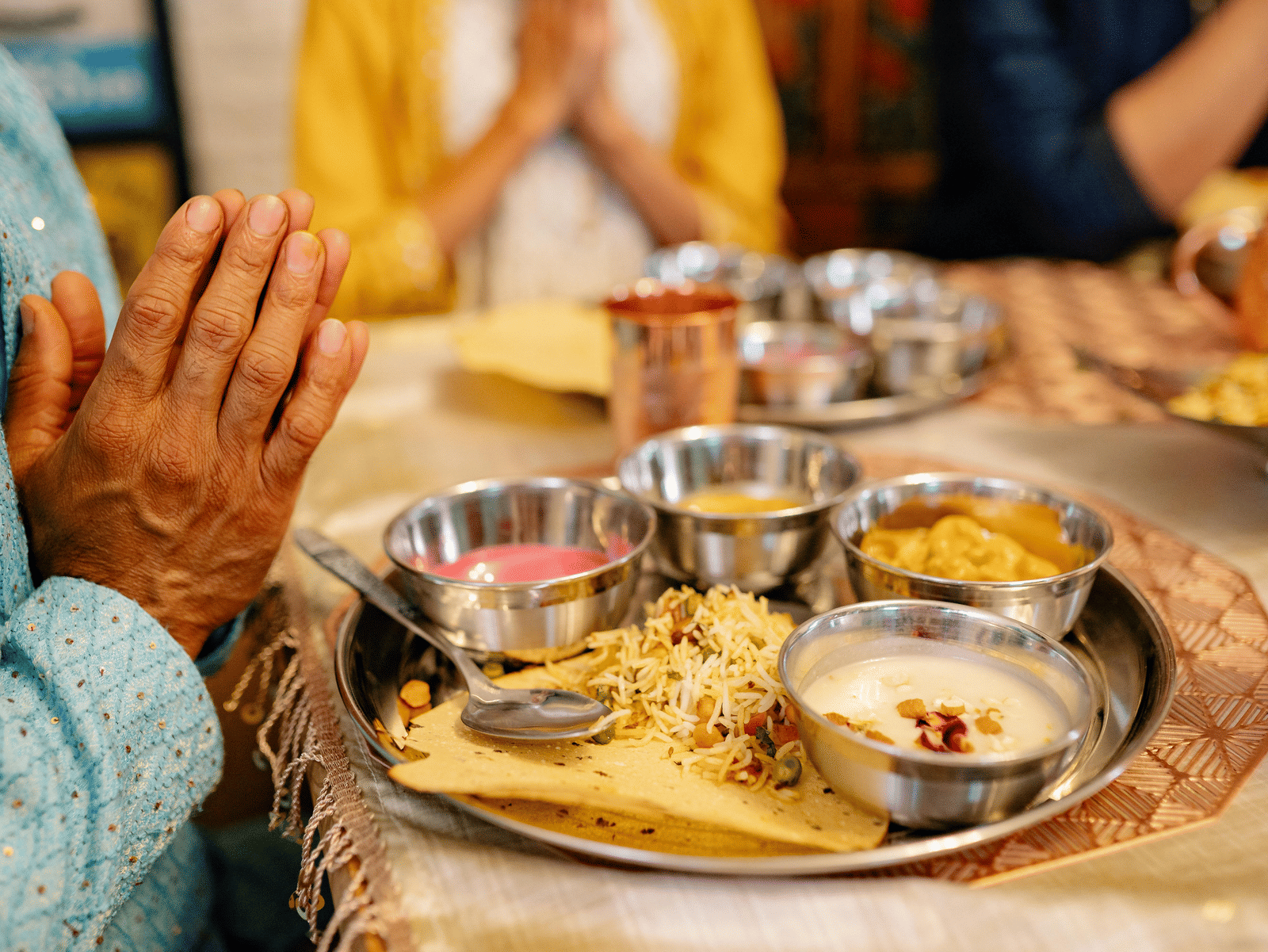
Long before terms like gut microbiome, probiotics, and functional nutrition became part of modern wellness conversations, Tamil households were already embracing ingredients and techniques that nurtured health from within. Millets filled the grain jars, fermented batters rested overnight in clay vessels, and cooling porridges sustained communities through scorching summers.
Today, science is rediscovering what generations have known instinctively: the foods that have nourished Tamil communities for centuries may also play an important role in supporting digestive health and overall well-being.
At a time when people are increasingly seeking natural ways to improve health, reduce processed foods, and reconnect with traditional eating habits, Tamil Nadu's culinary heritage offers timeless lessons. From nutrient-rich millets to naturally fermented delicacies, these ancient practices continue to prove that good health often begins on the plate.
What is Gut Health, and Why Does it Matter So Much Right Now?
Your gut is home to nearly 100 trillion microorganisms, bacteria, fungi, and viruses collectively known as the gut microbiome. This inner universe does far more than digest your food. It regulates immunity, influences mental health, governs inflammation, and is now linked to everything from skin clarity to sleep quality.
When the microbiome falls out of balance through stress, processed foods, antibiotics, or erratic eating, the ripple effects are wide: bloating, fatigue, mood swings, poor immunity, and even chronic conditions like IBS and type 2 diabetes.
The prescription? Diverse, fibre-rich, probiotic-dense food. Which, if you think about it, is simply a scientific translation of what Tamil families have eaten for generations.
The Millet: A Seed That Fed Civilisations
Long before rice dominated the South Indian plate, millets ruled. Kambu (pearl millet), varagu (kodo millet), thinai (foxtail millet), samai (little millet), and ragi (finger millet) were the backbone of Tamil agricultural life, grown in drought-prone land, harvested without irrigation, and prepared with a wisdom that honoured the seed's full potential.
Millets are nutritional marvels. They are rich in dietary fibre, magnesium, iron, and B vitamins. But what makes them exceptional for gut health is their prebiotic quality — their fibre is not digested by the body, but by the beneficial bacteria in the gut. Every bowl of millet porridge, every kambu koozh, every ragi ball is, in essence, a feast for your microbiome.
Millets also have a lower glycaemic index than refined rice or wheat, which means they release energy slowly, keeping blood sugar stable and the gut's inner environment calm and steady.
In Tamil Nadu's rural heartland, millets were never "superfoods." They were simply food, the kind that sustained farmers through long days in the field, that was carried to harvest seasons, that was offered to deities and shared in celebrations. The word "superfood" is a modern invention. Millets are something older and truer: a survival food that also happens to nourish.
Fermentation: Where Tradition Becomes Medicine
If millets are the foundation, fermentation is the magic.
Tamil food culture is built on fermentation in a way that few other culinary traditions can match. Every morning, millions of South Indian households begin their day with idli or dosa — both made from a batter of rice and black gram that has been left to ferment overnight. This is not mere convenience. The fermentation process breaks down complex carbohydrates, increases the bioavailability of nutrients, and generates a rich colony of lactic acid bacteria — the same family of microorganisms found in probiotic supplements.
But the fermentation story in Tamil culture goes far deeper than idli-dosa.
Pazhaya Sadham
Leftover rice soaked in water and left overnight is one of the oldest and most underrated probiotic foods in the world. Consumed in the morning with a splash of buttermilk, raw onion, and green chilli, it is a breakfast that cools the body, feeds the gut, and carries the memory of generations of Tamil households. Modern research now shows that fermented rice contains significantly higher levels of B vitamins and beneficial bacteria than freshly cooked rice.
Kambu Koozh
Fermented pearl millet porridge is another gem. Traditionally prepared by soaking and fermenting millet flour, then cooked into a thick porridge and served chilled, it is a drink consumed by labourers, farmers, and, increasingly, health-conscious urban dwellers. Rich in dietary fibre and naturally probiotic, it is both a cooling agent and a gut healer in one.
Mor
Spiced buttermilk is not an afterthought in a Tamil meal; it is a finale with purpose. Fermented from curd, it is rich in probiotics and aids the body in digesting the heavier elements of a full meal. In Tamil Siddha and Ayurvedic traditions, buttermilk consumed at the end of a meal was considered as important as the meal itself.
Thayir
Curd made fresh daily in Tamil homes is a living food. Unlike commercially pasteurised yogurt, freshly set curd retains an active bacterial culture that colonises the gut with every spoonful.
The ancient Tamil wisdom "Unave marundhu, marunthei unavu" — food is medicine, medicine is food — was not a metaphor. It was a daily practice.
The Spice Pharmacy: Tamil Seasonings That Heal from Within
Tamil fermented and millet-based foods are rarely eaten plain. They arrive at the table accompanied by a symphony of spices, each one chosen not merely for flavour, but for its profound effect on the digestive system.
Cumin stimulates digestive enzymes and is among the most well-studied spices for reducing bloating. Turmeric, whose active compound curcumin modulates inflammation, has been used in Tamil medicine for centuries to soothe the gut lining and support liver function. Asafoetida (perungayam), that intensely pungent pinch added to every pot of dal and kootu, is a natural carminative — it prevents gas, reduces bloating, and has been used as a remedy for colic since antiquity. Mustard seeds, tempered in hot oil at the start of every dish, carry antimicrobial properties. Ginger, added to rasam and chutneys, accelerates gastric emptying and reduces nausea.
Together, these spices do not just season food; they create a medicinal framework around every meal, protecting the gut even as they delight the palate.
A Living Tradition on Your Plate
What makes Tamil food culture truly extraordinary is that none of this was designed. It evolved over thousands of years, through observation, through seasons, through the intuitive intelligence of communities who noticed that certain preparations made people feel better, stronger, lighter.
The fermentation of idli batter, the soaking of pazhaya sadham, the cooling ritual of kambu koozh — these were not recipes from a nutrition journal. They were answers to the question: how do we stay well?
Today, that question is being asked again, with urgency. And the answer, it turns out, has been sitting in South Indian kitchens all along.
At GRT Hotels & Resorts, this living food tradition is not a novelty — it is a heritage. Across properties from the temple towns of Tamil Nadu to the highlands of Wayanad and the riverbanks of Thanjavur, the restaurants carry forward the spirit of Tamil culinary wisdom. The GReaT Sunshine Breakfast at GRT Hotels & Resorts is a celebration of exactly this — freshly fermented idlis, hot dosas, regional chutneys, and dishes that reflect the land they come from.
When you travel through South India and find yourself at the dining table of a GReaT trails property in Yercaud or Kodaikanal, or at the restaurant of a Regency hotel in Madurai or Tirunelveli, you are not just eating. You are participating in a continuum of ancient wisdom that understood gut health long before it became a hashtag.
How to Eat for Your Gut the Tamil Way: A Gentle Guide
You do not need to overhaul your diet. You need to return to what was always there.
Begin the morning with fermented foods, an idli, a dosa, or even a small bowl of curd before breakfast. Allow the millets back in: a bowl of kambu koozh or ragi porridge a few times a week. End meals with a glass of spiced mor. Cook with cumin, turmeric, asafoetida, and ginger not as exotic additions, but as daily companions. Eat rice that has been soaked, fermented, or rested.
And if you can, travel. Sit at a table where the food knows where it comes from. Let the flavours of a traditional Tamil spread — fermented, spiced, millet-rich, and prepared with care — do what they have always done: nourish the body from the inside out.
The Gut Remembers What We Have Forgotten
Modern wellness is, in many ways, a journey back. Back to whole foods, back to fermentation, back to the understanding that the body is not a machine to be optimised but an ecosystem to be tended.
Tamil Nadu knew this. The millets, the koozh, the pazhaya sadham, the cumin-tempered buttermilk — these were not trends. They were technologies of care, developed over millennia, encoded into daily life, and now waiting to be rediscovered.
The gut microbiome is ancient. So is the wisdom that kept it in balance.
Perhaps the most radical act of modern wellness is simply this: to trust what has endured.
Continue your booking