- World Food Day: Where Local Produce Meets Memorable Experiences
- The Soundtrack of a GReaT Meal
- Why Do We Photograph Food on Holiday but Rarely at Home?
- The Most Important Tools in a Hotel Don’t Fit in a Toolbox
- A Hotel’s Ten Heads: What Would a Hotel Think About on Dussehra
- What Does Navami Look Like in a South Indian City?
- Plan Your Detour This Ashtami with GRT Hotels & Resorts
- From Coffee Estate to Coffee Cup: The South Indian Journey of Your Morning Brew
- Your First Navratri Temple Trip? Travel With Curiosity, Leave With Stories
- Navratri – Nine Days, Nine Stories of Strength, Grace and Celebration
- World Mental Health Day – The Importance of Pausing, Resting and Reconnecting
- If Your Navratri Had a Travel Personality, What Would It Be?
- Nine Days, Nine Ways to Celebrate: Navratri in South India
- The Long Weekend Calling: Why Festive Breaks Are the Best Time to Travel
- Bringing Bavaria to GRT: Oktoberfest Beyond the Beer
- Keepers of Stories: How Destinations Live Through the People Who Tell Their Tales
- HITEX Exhibition Centre Hyderabad
- Saaptiya? Thinnara? Oota Aayta? The Three Words That Explain South Indian Hospitality Better Than Any Welcome Speech
- Vinayagar Chaturthi: When The Favourite Guest Comes Home Again
- The Best Souvenirs Don’t Fit Inside a Suitcase
- Ganesh Chaturthi: A Celebration of New Beginnings, Faith and Togetherness
- Makhan, Mischief & Memories: A Janmashtami Celebration of Family, Food & Togetherness
- Temple Town Wedding Season Begins – What to Know
- When Onam Begins to Feel Like Home
- Celebrating 387 Years of Madras: The City That Never Stops Evolving
- Routes of Freedom: From the Madras Presidency to the Journeys We Take Today
- Onam Sadhya: The Taste that makes the tradition Complete
- Where Should You Host Your Next Corporate Event?
- Weekend Getaways from Chennai
- Best Family-Friendly Hotels in South India
- More Than a Feast: The Little Moments That Make Onam Unforgettable
- Explore Madurai, Kodaikanal & Palani in One Memorable Trip
- Thirumalai Nayakkar Mahal
- 48 Hours in Madurai: How To Fall In Love with Thoonga Nagaram
- Whispers in Stone and Jasmine The Timeless Soul of Chennai’s Kapaleeshwarar Temple
- The Little Things You Never Notice but Always Remember
- Tail Wags & Soulful Stays: Why Your Dog Needs A Holiday Too
- What Does Freedom Feel Like? A Journey Across South India
- The Friends Who Travel Together Collect Stories, Not Souvenirs
- Four Paws, Five Stars: What Your Cat Would Really Say About Your Hotel Stay
- Guru Purnima: The Greatest Teacher You Meet May Be the Journey Itself
- 48 Hours in Chennai: Everything You Need to Know
- Comfort Food, Comfort Company: The Soulful Dining Experience at GRT Hotels & Resorts
- The Many Moods of Pondicherry: A Soulful Guide to the French Riviera of the East
- The Smart Traveller’s Guide: Unlocking Affordable Luxury & Soulful Hospitality in Tamil Nadu
- Paws & Puddles: A Pet Parent’s Guide to Navigating Monsoons in the Hills
- The Aani Aadi Trail: Best Temple Towns to Visit This July in Tamil Nadu
- Palani Hills Tourism
- Best Time to Visit Wayanad
- Best Hill Station in Tamil Nadu
- Shevaroyan Temple Guide
- Solo Travel in India: Why More Travellers Are Choosing Themselves First
- Why the Best Business Decisions Aren't Always Made in Meeting Rooms
- The Great Botanical Coromandel Explorer: A Journey Through Flavour, Discovery & Gin
- Six Destinations, One Soulful Journey: Exploring the Arupadai Veedu Trail
- Millets, Fermentation & Gut Health: Ancient Wisdom on Your Plate
- Your Business Trip Just Became a Holiday Here's How to Make It Last 5 Days
- Mid-Year Reset: Why June Is The Best Time For a Workation in South India
- Smart Stays for Young Professionals: Where Work, Wellness & Wanderlust Meet
- South Indian Thali Decoded: It’s So Much More Than a Meal
- Where Big Ideas Find a GReaT Home Conference Planning in Andhra & Telangana
- Top 5 Bleisure - Friendly Cities in South India – Work Smarter, Wander Soulfully
- Chembra Peak
- Discover the Soul of Tirunelveli at the Aani Therottam
- Healthy Aging, Soulful Living: How Yoga Inspires a More Meaningful Journey
- Ani Uthiram Festival in Tamil Nadu: A Journey Through Heritage, Culture, and Spiritual Renewal
- Arupadai Veedu
- Weekend Getaway from Bangalore to Yercaud
- Chennai to Kodaikanal Trip
- Navagraha Temples
- Rain, Restore, Rejoice – Why Monsoon Is The Most Magical Time for a Spa Retreat
- The Art of Rainy Workation: Why the South Indian Monsoon is the Ultimate Bleisure Muse
- The Petrichor Path: A Soulful Guide to South India’s Monsoon Magic
- Why Hospitality Must Lead the Wellness Conversation
- A Decade of Reimagining Indian Gastronomy at J.Hind by Grand Chennai
- Chennai’s Best-Kept Secret Reopens: The Return of the CODE by Steam and Whistles
- The Season of Flowers and Soulful Escapes in Kodaikanal
- Weekend Getaway from Chennai to Thanjavur
- Kodaikanal Places to Visit
- Palani Kovil Guide
- Chennai to Yercaud Trip
- Edakkal Caves in Wayanad
- Celebrating the Brilliance of Vaikasi Visakam: A Journey into the Heart of Tamil Heritage
- Sleep Tourism: The Travel Trend You Didn’t Know You Needed
- Beyond The Metros: Why South India’s Emerging Tier 2 Cities are the New Hubs for Business Travel
- Eating with the Seasons: What Tamil Nadu Serves in Peak Summer
- Thirupparankundram Temple: The Story of the Hill That Has Seen Everything
- The Seashore Sentinel: Tiruchendur's Subramaniya Swamy Temple
- The Hill of Wisdom: Swamimalai Swaminathaswamy Temple
- Tamil Nadu: India’s Most Soulful Wedding Destination
- Beyond the 365 Steps: A Journey to the Soul at Subramaniya Swamy Temple
- Pazhamudircholai Murugan Temple: Where the Forest Exhales & the Soul Breathes
- Places to Visit in Palani
- Places to Visit in Wayanad
- Tourist Attractions in Yercaud
- Dear Pets: Your Bags Are Packed. Let’s Go.
- Where the Heat Can’t Follow You: South India’s Finest Summer Hill Escapes
- Spiritual Detox: A Soulful Spiritual Detox for Modern Burnout
- Log Off. Breathe In. You Deserve This: A Digital Detox at GRT Hotels & Resorts
- Sea Love and Soulful Summer Stories
- Soulful Summer Stories in the Hills: Discover Yercaud Like Never Before
- The City That Lives on Salt, Pearls & The Sea
- Seven Steps, One Lifetime: The Sacred Heart of a Tamil Kalyanam
- One Property: A Thousand Promises. How GRT Hotels Hosts Every Story, Every Day
- Kodaikanal and Summer — an inseparable combination for creating soulful stories
- Tourist Attractions in Kodaikanal
- Magnificent Temples in Palani
- Pagoda Point Yercaud
- Arupadai Veedu: A Pilgrim’s Journey Through the Six Sacred Homes of Lord Murugan
- Puthandu 2026: The Tamil New Year That Smells Like Jasmine and Tastes Like Home
- Hillside or Seaside This Summer Vacation 2026
- Ugadi 2026: When Your Year Begins With a Bowl of Everything
- Panguni Uthiram 2026: When the Stars, the Gods, and Tamil Nadu’s Soul Align
- When the Gods Get Married: The Magic of Madurai’s Chithirai Festival
- Your Annual Meeting Deserves a Venue That Means Business
- Summer Vacation 2026: Best Family Getaways in South India
- Kanaka Durga Temple in Vijayawada
- Why Booking Direct with GRT Saves You More
- The South India Vacation Guide You Didn't Know You Needed
- A Pink-Tinted Getaway: Experiencing Bengaluru in Bloom
- Saffron Sunsets and Peppery Dawns: A Day on the Tamil Spice Trail
- How Tamil Nadu’s Ancient Spices Are Your Secret Summer Survival Kit?
- One City, Two Moods: The Art of Shredding Your Corporate Persona
- Lakes in Kodaikanal
- Tourist Attractions in Kakinada
- Deccan Festival in Hyderabad: A Grand Celebration of Culture & Heritage
- 5 Reasons Why Guests Are Choosing Experiences Over Itineraries at Great Trails Kodaikanal
- The Soul of the Deccan: A Sensory Journey Through Hyderabad’s Most Iconic Festival
- Mahashivratri in Tamil Nadu: A Journey Through the Night of Infinite Stillness
- Love, Uninterrupted: A Valentine’s Story About Time, Care & Indulgence
- Love, Laughter & Leisure: Planning a Valentine’s Retreat This Season
- Coffee Blooming Season: A Treat for Coffee Lovers at GReaT trails by GRT Hotels
- Thaipusam in Palani: Where Faith, Discipline, and Inner Victory Come Alive
- Arulmigu Mahishasura Mardhini Temple
- Nava Tirupati
- The Wanderer’s Palate: 5 Cities, 5 Flavours, One Unforgettable South India Journey
- From Meetings to Me-Time: The Bleisure Way to Travel
- Press the Body’s Calm Button through Bodhi Prana’s The Vagus Nerve Therapy
- Short Getaways for Long Relaxation: Weekend Escapes to Reset Your Mind
- Sleep, Reset, Repeat: The Rise of Napcation Travel in India
- More Than a Harvest: Pongal and the Pride Behind the Horns
- The Sun, The Soil, and The Soul: Why Pongal is the Ultimate Reset You Need in 2026
- Palani Murugan: The Hill That Teaches You to Pause, Let Go, and Begin Again
- New Year Resolutions That Truly Matter Embrace Great Wellbeing This Year
- GReaT trails Kodaikanal by GRT Hotels: An Invitation to the Ultimate Winter Experience
- 12 Unmissable Festivals & Events in South India 2026
- Mojo’s Magical Wonderland: A Christmas Story by GRT Hotels & Resorts
- Thiruchendur Murugan Temple
- Arulmigu Nellaiyappar Temple
- Solo Travel in South India Made Comfortable
- What to Pack for a Hill Stay vs. Beach Stay
- Perfect Your Dream Wedding the GRT Hotels and Resorts Way
- Thiruthani Murugan Temple
- Paws, Bags & Beautiful Beginnings
- Pearls, Paddy, and the Point Where Oceans Meet
- The Three Shades of Serenity: Madurai, Kodaikanal, and Rameshwaram
- The ECR Diaries Three Cities, One Soul
- Industries in Tuticorin
- 12 Ceremonies That Celebrate the Unity of Love in Indian Weddings
- The Untold Legends of Meenakshi Amman Temple
- The Silent Heart of Madurai’s Sacred Harmony
- St. Mary’s Cathedral Church, Madurai – History, Faith & Divine Darshan
- Discovering the Spirit of Halloween
- Monsoon Moods and the Magic of Food
- World Mental Health Day
- Celebrating World Post Day
- Temples in Kanchipuram
- Industries in Kakinada
- Madurai Meenakshi Temple and More
- Guide to Coringa Wildlife Sanctuary
- Sarees in Kanchipuram
- Embracing the Power of Shakti
- World Tourism Day
- National Chai Day
- Best Time to Visit Madurai
- Madras Day 2025
- Top Places of Interest in Madurai
- Top Madurai Tourist Attractions
- The Glorious History of Thanjavur
- Best Places to See in Kodaikanal on Your Vacation
- Bangalore to Wayanad Trip: A Complete Guide
- Places to Visit in Kakinada
- Must-visit Tourist Attractions in Thanjavur
- Bangalore to Kodaikanal Road Trip
- Kakinada Hotels near the Beach
- Best Tourist & Sightseeing Places to Visit in Vijayawada
- Best Kodaikanal 3-day Itinerary
- The Best Wayanad 3-day Itinerary
- 5 GReaT Reasons Why GreaT trails Yercaud is the Perfect Corporate Destination
- Places to Visit in Yercaud
- Going green for its silver year
- Planning a vacation? Here’s why Wayand should be on your list
- Off the grid in Wayanad: 3 days in this magical hill station
- Fall into a delicious food coma in Wayanad
- Work with a view, and then some!
- A slice of heaven in God’s own country
- Radisson Resort Pondicherry Bay, The perfect beach holiday
- Adding relief to the relief efforts
- COVID’s impact on online marketing in the hospitality industry
- COVID-19: A Lesson in Humanity for Humanity
- Redefining thoughtful leadership: Our CEO’s approach to uncertain times
- The chronicles of our GReaT Warriors
- A Step In The Right Direction
- Maintaining a safe haven for guests during the pandemic
- The Anglo-Indian pop-up restaurant that transports you 70 years
- A summer getaway to the chilly mountains, GRT Great Trails, Kodaikanal
- Tirunelveli in touch with yesterday
- Are you monsoon ready?
- A Tasty Tribute to Thalaivar
- The GRT Group of Hotels Temple Tour: Regency Kancheepuram by GRT
- Check Out Our Amazing April Adventures
- The GReaT Summer experiences at Radisson Blu Resort Temple Bay, Mamallapuram
- Addictions That Are Good For You
- The Cake Is Mixed
- A gourmet indulgence by the seaside, The Wharf 2.0, Radisson BLU Temple Bay, Mahabalipuram
- What’s Coming in 2018?
- GRT & SICA Go Gallivanting in Europe
- NABH Certification for Bodhi Spa – Radisson Blu Hotel GRT Chennai
- DIY Dum Biriyani Recipe
- Shutterbugs Come To Mamallapuram
- Wine and dine by the scintillating view of the ocean at Mamallapuram
- FHRAI Awards Three of Our Team Members
- No Room To Waste Food
- United For Tamil Nadu’s Tourism
- DIY Super Bowls of Nutrition
- Where Food & Notifications Aren’t Friends
- 4-Step Guide To Planning An Event
- A Brand New HQ for Brand New Ideas
- DIY Paneer Makhmali
- Unusual and Interesting Ingredients in the GRT Kitchens
- Bodhi Spa Wins World Luxury Spa Award
- Why Do You Travel? For A Bit Of Everything
- Radisson Blu Resort Temple Bay, an oasis near Chennai
- The Grandeur of Grand by GRT, T. Nagar, Chennai
- Traversing the roads from Chennai to Kanchipuram with GRT Hotels
- Lunch now comes with an express massage therapy at Radisson Blu by GRT Hotels
- Paradise unveiled at The Radisson Blu Resort Temple Bay by GRT Hotels, Mamallapuram
- Follow Us To The Lord’s Sacred Abodes
- Planning The Perfect Wedding Menu
- The Veteran Hoteliers at GRT Hotels & Resorts
- An Ode To Our Housekeeping Stars
- Kenya Diary: Mumbai Transit
- Why You Should Book Direct With A Hotel
- Prepping For The Summer Holidays
- Coimbatore Has New Kid Block
- Defining Culture in Hotels
 DIVINE DARSHANBLOG
Navagraha Temples Across the Cauvery Delta with Routes, Timings, and Travel Tips

9 temples, 9 planetary deities, and 1 river delta that treated Vedic astrology like a construction project. The Navagraha temples are scattered across the Cauvery delta region in Tamil Nadu, each dedicated to a celestial body. Built largely during the Chola dynasty between the 9th and 12th centuries, these temples remain active pilgrimage sites today. Thousands of devotees visit every week seeking blessings, planetary remedies, and the kind of spiritual clarity that Google cannot provide.
The circuit stretches across Thanjavur, Mayiladuthurai, Tiruvarur, and Karaikal, covering approximately 200 to 300 km by road. Kumbakonam and Thanjavur serve as the most practical base towns for anyone planning to cover the full route. What follows is everything you need to know before the planets decide your itinerary for you.
Serial No. | Temple | Graha | Location |
1 | Sun (Surya) | Suryanarkoil, Thanjavur District | |
2 | Moon (Chandra) | Thingalur, Thanjavur District | |
3 | Mars (Angarakan) | Mayiladuthurai District | |
4 | Mercury (Budha) | Thiruvenkadu, Mayiladuthurai District | |
5 | Jupiter (Guru) | Alangudi, Tiruvarur District | |
6 | Venus (Shukra) | Kanjanur, Thanjavur District | |
7 | Saturn (Shani) | Karaikal, Puducherry | |
8 | Arulmigu Naganatha Swamy Temple, Thirunageswaram - Navagraha 8 | North Node (Rahu) | Thirunageswaram, Thanjavur District |
9 | Arulmigu Naganathaswamy Temple, Keezhperumpallam - Navagraha 9 | South Node (Ketu) | Keezhperumpallam, Mayiladuthurai District |

Suryanar Kovil: Where All 9 Planetary Shrines Share One Roof
Suryanar Kovil (or Suriyan Temple) is the only Navagraha temple where all 9 planetary deities have individual shrines, a level of spiritual multitasking that modern offices still envy. Located about 3 km from Aduthurai in Thanjavur district, this Chola-era temple is dedicated to Lord Surya. The chariot-shaped sanctum faces east so precisely that the first rays of sunrise light up the main deity every morning. Sunday mornings draw the largest crowds, with devotees arriving early enough to make even the temple priests seem slightly behind schedule.
Lord Surya is worshipped here alongside his consorts Ushadevi and Pratyusha Devi, a rare feature among Navagraha temples. The 10-day Ratha Saptami festival in January and February transforms the temple grounds into the busiest postcode in all of Thanjavur district. Special pujas are held on the first day of every Tamil month, adding regular energy to an already active temple calendar. If you are covering all 9 temples in a single day, starting here at dawn saves you from the Thanjavur afternoon heat entirely.
- Best Time to Visit: October to March for cooler weather, and Sunday mornings for the most active worship atmosphere
- Temple Timings: 6:00 AM to 12:30 PM; 4:00 PM to 8:00 PM
- Famous Festival: Ratha Saptami (January to February, 10 days), with special pujas on the first day of every Tamil month

Thingalur: Where Moonlight Falls Directly on the Lingam Twice a Year
Shri Kailasanathar Temple in Thingalur pulls off a celestial alignment that most modern observatories would need a research grant and a decade to replicate. During the Tamil months of Puratasi and Panguni, moonlight falls directly on the main lingam inside the sanctum. The temple is dedicated to Lord Chandra and sits about 17 km from Thanjavur town. Mondays are considered the most auspicious day for Chandra worship, drawing families carrying white flower offerings and rice.
The temple sits in a small, unhurried village where the silence is so thorough that city visitors start finding it slightly suspicious. Mahasivarathri and Panguni Uthiram are the biggest annual festivals here, filling the village with an energy it does not usually carry. Evening visits work best when the temple grounds cool down, and the paddy fields around it start catching the last golden light. By that hour, even the egrets in the nearby fields seem to slow down and pay their own kind of respects.
- Best Time to Visit: Puratasi (September to October) and Panguni (March to April) for the moonlight phenomenon, and Mondays for Chandra worship
- Temple Timings: 5:30 AM to 10:00 PM (6 daily rituals)
- Famous Festival: Mahasivarathri, Panguni Uthiram, Margazhi Thiruvadirai, and the traditional first rice-feeding ceremony for infants

Vaitheeswaran Koil: The Temple Where Healing and Naadi Astrology Meet
Vaitheeswaran Koil Temple is one of the most visited Navagraha temples in Tamil Nadu for both worship and genuine curiosity. The main deity here is Vaidyanatha Swamy, a form of Lord Shiva worshipped as the ‘God of Healing’ since long before second opinions existed. The village is equally famous for Naadi astrology, where practitioners read ancient palm-leaf manuscripts believed to contain individual life predictions. These manuscripts were reportedly written by sage Agathiyar in Vatteluttu script, and the queue lengths suggest plenty of people trust the process.
Located about 7 km from Sirkazhi in the Mayiladuthurai district, the temple sees heavy footfall during Karthigai and Kantha Sashti festivals. Tuesdays are the most auspicious day for Mars worship, and the temple corridors fill up before the morning chai stalls even open. The Brahmotsavam during the Panguni and Thai months is the largest annual festival, running for several days. Whether or not ancient palm leaves hold your future, the experience of watching someone read yours with total conviction is worth the visit alone.
- Best Time to Visit: October to March for comfortable weather, and Tuesdays for Angaraka-specific worship
- Temple Timings: 6:00 AM to 1:00 PM; 4:00 PM to 9:00 PM
- Famous Festival: Brahmotsavam (Panguni and Thai months), Karthigai festival (November), Kantha Sashti

Thiruvenkadu: Home to the Agora Murthi Form of Lord Shiva
Swetharanyeswarar Temple in Thiruvenkadu is the Navagraha temple for Lord Budha, the planetary deity representing Mercury. The temple is famous for the Agora Murthi, one of the most powerful incarnations of Lord Shiva in the Saivite tradition. According to legend, Shiva took this fierce form here to defeat the demon Maruthuvasuran, a story the temple walls still narrate through carvings.
The temple sits in the Mayiladuthurai district and features Chola-era architecture with carved gopurams and long stone corridors. Wednesdays are the most auspicious day for Mercury worship, and the morning rituals draw steady crowds throughout the year. The 10-day chariot festival in February is the highlight of the annual calendar, turning the temple streets into the loudest place in the district.
- Best Time to Visit: October to March, and Wednesdays for Budha-specific worship
- Temple Timings: 6:00 AM to 12:00 PM and 4:00 PM to 8:30 PM
- Famous Festivals: Chitra Pournami, Aani Thirumanjanam, Vaikasi Visagam, and the 10-day chariot festival in February

Alangudi: The Jupiter Temple in the Heart of the Cauvery Delta
Arulmigu Apatsahayesvarar Temple in Alangudi is dedicated to Lord Guru, the teacher among the celestial bodies, and its name translates to 'Lord who rescues from danger'. Located about 18 km from Kumbakonam in the Tiruvarur district, this is one of the most accessible Navagraha temples near Kumbakonam.
The temple sits in the fertile Cauvery delta region, surrounded by the rivers Cauvery, Kolidam, and Vennaru. During monsoon season, the surrounding landscape turns so aggressively green that even photographs of the area start looking like they have been filtered. Thursdays are the most auspicious day for Jupiter worship, drawing devotees who seek blessings for wisdom, education, and academic success. Guru Peyarchi, the Jupiter transit festival that occurs roughly every year, is the single busiest event at this temple. The Brahmotsavam during Chithirai rounds off the annual calendar with processions that make the village forget it is usually quiet.
- Best Time to Visit: October to March, and Thursdays for Guru-specific worship
- Temple Timings: 6:00 AM to 9:00 PM (6 daily rituals)
- Famous Festival: Guru Peyarchi (Jupiter Transit, the biggest event), Brahmotsavam during Chithirai (April to May)

Kanjanur: Where Lord Shukra Resides Within the Shiva Lingam Itself
Sri Agneeswarar Temple in Kanjanur is unique on the entire circuit because Lord Shukra does not have a separate shrine or an independent idol here. In concordance with the Saivite belief that Shiva is all-pervading, Shukra is believed to reside within the stomach of the lingam. This makes Kanjanur the only Navagraha temple where the planetary deity and the main deity are essentially one.
Explaining this concept to first-time visitors takes a moment, but the theological reasoning behind it is both elegant and genuinely worth understanding. Located about 18 km northeast of Kumbakonam in Thanjavur district, the temple sees steady but manageable crowds most days. Fridays are considered the most auspicious day for Venus worship, and the evening rituals carry a particularly calm atmosphere.
- Best Time to Visit: October to March, and Fridays for Shukra-specific worship
- Temple Timings: 6:00 AM to 12:00 PM; 4:00 PM to 8:00 PM
- Famous Festival: Specific festival details are not widely documented; check locally for annual Brahmotsavam dates

Thirunallar: The Saturn Temple That Draws the Largest Crowds on the Circuit
Shri Dharbaranyeswaraswamy Devastanam in Thirunallar is the Navagraha temple for Lord Shani, and it consistently draws more visitors than every other temple on the circuit. Located in Karaikal district within the Union Territory of Puducherry, this temple sits technically outside Tamil Nadu but remains part of the tradition. The Navagraha circuit has always included Thirunallar, and leaving it out would feel like skipping the final exam after attending every single lecture. Lord Shani is positioned as the doorkeeper of the main shrine, a placement that carries deep symbolic significance in Saivite tradition.
Saturdays here are an experience on their own, with devotees arriving before dawn in numbers that turn temple corridors into slow processions. The Shani Peyarchi festival, which occurs once every two and a half years during the Saturn transit, is the most significant event. Mahasivarathri in the month of the Chithirai (March and April) adds another layer of activity to a temple that rarely seems to have a quiet day. First-time visitors on Saturdays should plan for waiting times that make airport security queues feel like a refreshingly efficient system by comparison.
- Best Time to Visit: October to March for the weather, and Saturdays for Shani worship (arrive before dawn to manage crowds)
- Temple Timings: 5:30 AM to 9:00 PM (6 daily rituals)
- Famous Festival: Shani Peyarchi (Saturn Transit, every 2.5 years), Mahasivarathri (March to April)
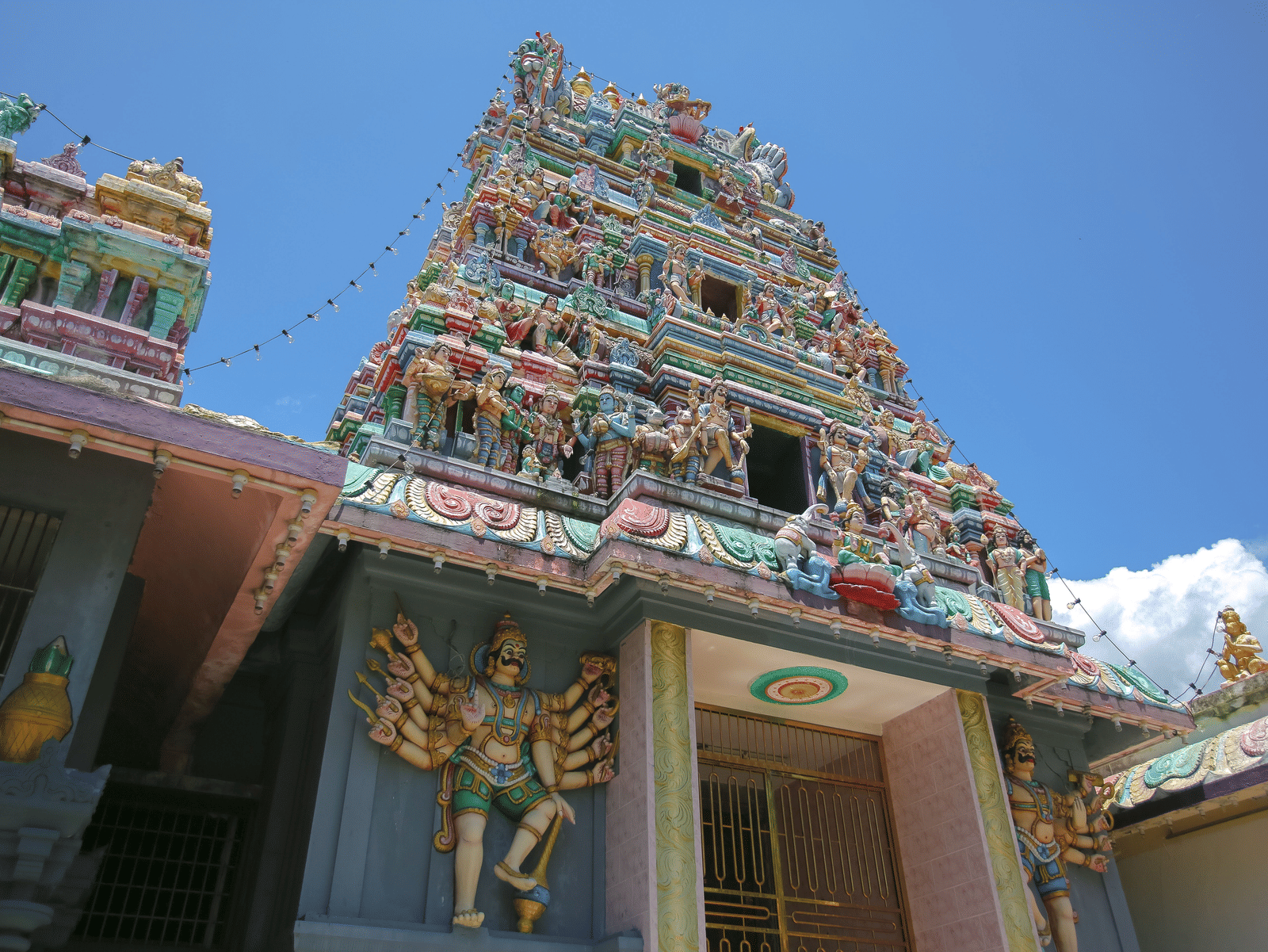
Thirunageswaram: Where Milk Turns Blue During the Rahu Abhishekam
Arulmigu Naganatha Swamy Temple in Thirunageswaram is the Navagraha temple for Lord Rahu, located about 5 km from Kumbakonam in Thanjavur district. During Rahu Kalam, milk poured over the Rahu idol is said to turn blue, a phenomenon that draws both devotees and the curious. The idol is dressed in blue and covered with a 5-headed snake statuette, creating a visual that stays in memory long after you leave the temple. Lord Rahu is depicted here with a human face, which is unique because most other representations across India show Rahu with a serpent face instead.
Rahu Kalam timings on Sundays and Tuesdays are the busiest periods, when the ablution ritual fills the inner corridors with genuinely curious crowds. The 10-day Brahmotsavam in November and December is the largest annual festival, along with Rahu Peyarchi every 1.5 years. Whether the milk actually changes colour or the lighting plays its part, the experience is one of those moments you end up describing to everyone afterwards.
- Best Time to Visit: October to March, and Sundays or Tuesdays during Rahu Kalam for the milk-turning-blue ritual
- Temple Timings: 6:00 AM to 12:00 PM; 4:00 PM to 9:00 PM (6 daily rituals)
- Famous Festival: Brahmotsavam (November to December, 10 days), Kandasashti, Navarathri, and Rahu Peyarchi (every 1.5 years)

Keezhperumpallam: The Final Temple on the Navagraha Circuit
Arulmigu Naganathaswamy Temple in Keezhperumpallam is the last stop on the Navagraha circuit, and reaching it feels like turning the final page of a long book. Located about 2 km from the ancient port town of Poompuhar in the Mayiladuthurai district, the temple sits closer to the sea than others. Lord Ketu is depicted here with a human body and a 5-headed serpent as the head, which is the exact reverse of how Rahu appears. The idol's hands are folded in worship of Lord Shiva, a posture that carries a quiet devotional weight visitors tend to notice.
Mahasivarathri and the Vasuki Utsavam during the Tamil month of Panguni are the most celebrated festivals at this temple. Finishing the circuit here, with the Bay of Bengal wind in your face, gives the entire journey a sense of completion that planned itineraries rarely deliver.
- Best Time to Visit: October to March, and mornings for cooler coastal weather
- Temple Timings: 5:30 AM to 10:00 PM (6 daily rituals)
- Famous Festival: Mahasivarathri, Margazhi Thiruvadirai, Panguni Uthiram, and Vasuki Utsavam (Panguni)

Covering the Navagraha Circuit in 2 Days from Thanjavur or Kumbakonam
A 2-day circuit is the most comfortable way to visit all 9 temples without turning a spiritual journey into a competitive driving endurance test. Starting from Thanjavur or Kumbakonam, the temples split naturally into 2 clusters based on geography and direction. This route allows enough time for darshan, photography, short breaks, and the occasional unplanned stop at a roadside filter coffee stall.
- Day 1 (Thanjavur Cluster): Suryanar Kovil (Sun), Kanjanur (Venus), Alangudi (Jupiter), Thirunageswaram (Rahu), Thingalur (Moon) | approximately 80 to 100 km
- Day 2 (Mayiladuthurai and Karaikal Cluster): Vaitheeswaran Koil Temple (Mars), Thiruvenkadu (Mercury), Keezhperumpallam (Ketu), Thirunallar (Saturn) | approximately 150 to 180 km

Completing the Navagraha Circuit in 1 Day for General Darshan Only
A 1-day circuit covering all 9 temples is possible, but it requires an early start and a driver who genuinely knows the roads. The total distance runs approximately 250 to 300 km by road, depending on your starting point and the order you choose. General darshan at each temple takes roughly 20 to 40 minutes, but Thirunallar on Saturdays can add significantly more waiting time. Starting from Kumbakonam before 5:30 AM gives you the best chance of finishing before sunset, which your legs will appreciate more than your alarm clock.
- Recommended Order: Suryanar Kovil (Sun), Kanjanur (Venus), Thingalur (Moon), Alangudi (Jupiter), Thirunageswaram (Rahu), Vaitheeswaran Koil Temple (Mars), Thiruvenkadu (Mercury), Keezhperumpallam (Ketu), Thirunallar (Saturn)
- Total Distance: Approximately 250 to 300 km, taking around 10 to 12 hours, including darshan time at each temple

Practical Travel Tips for the Navagraha Temple Circuit
The Cauvery delta region is hot and humid for most of the year, and the temples will test your hydration strategy thoroughly. Carrying water, a hat, and comfortable footwear makes the difference between a pleasant pilgrimage and a mildly regrettable one. Planning your route to hit the busiest temples early in the morning saves considerable time and avoids the peak afternoon crowds.
- Carry Water and Sun Protection: Temperatures regularly cross 35 degrees Celsius between April and September, and most temples have limited shade outside the inner sanctum
- Visit Thirunallar and Thirunageswaram Early: These 2 temples draw the largest crowds, especially on Saturdays and during Rahu Kalam on Sundays and Tuesdays

- Dress Code: Traditional attire is preferred at most temples, and footwear must be removed before entering the inner corridors
- Hire a Local Driver: A hired car with a driver familiar with the circuit saves navigation time and handles narrow village roads more efficiently
- Check Festival Dates: Shani Peyarchi, Guru Peyarchi, and Rahu Peyarchi draw unusually large crowds; plan around them or prepare for longer waiting times

A Riverside Base in Thanjavur for the Navagraha Temple Circuit
GReaT trails River View Resort Thanjavur by GRT Hotels sits along the banks of the Vennar River in Thanjavur. After a full day of temple corridors, stone floors, and enough spiritual energy to last several months, what you really need is a river view. Our resort places you within 9 km of Brihadeeswarar Temple and centrally between both clusters on the Navagraha temple tour route.

Our rooms overlook the river, with wooden flooring and heritage interiors that feel more like settling into a story than checking into accommodation. Dhanyam, our in-house restaurant, serves South Indian meals timed perfectly for travellers returning hungry from full-day temple circuits across the delta. Our resort is pet-friendly as well, because good pilgrimages should not require leaving the most enthusiastic family member behind at home.
Bodhi Prana offers wellness rituals designed for the kind of muscle fatigue that comes from walking across 9 ancient temple complexes in 2 days. The location works as a base for both the Thanjavur cluster and the Mayiladuthurai stretch, keeping drive times manageable. Between the river views, the Chola-era temples within reach, and the afternoon naps that feel spiritually earned, extending your stay becomes a natural consequence.

Somewhere Between the Planets and the Paddy Fields
The Navagraha temples are not just a pilgrimage circuit; they are a thousand years of Chola devotion built across one river delta. Each temple carries its own character, its own rituals, and its own specific reason that devotees return year after year. The circuit works as a 1-day sprint or a 2-day exploration, depending on how much your knees are willing to cooperate. What stays with most travellers is not just the architecture or the rituals but the quieter moments between the temples. The paddy fields along the drive, the village chai stalls, and the river crossings add a rhythm to the journey that no GPS can capture. Whether you start at Suryanar Kovil's sunrise or end at Keezhperumpallam's coastal breeze, the circuit finds a way to feel complete.
FAQs
What are the Navagraha temples and where are they located?
The Navagraha temples are 9 ancient temples in the Cauvery delta region, each dedicated to one of the 9 planetary deities from Vedic astrology. They are spread across Thanjavur, Mayiladuthurai, Tiruvarur, and Karaikal districts.
What is the best time to visit the Navagraha temples?
October to March offers cooler weather and comfortable conditions for the temple circuit. Avoid April to June when temperatures regularly cross 35 degrees Celsius across the delta region.
Can I complete all 9 Navagraha temples in one day?
Yes, a 1-day circuit covering approximately 250 to 300 km is possible with an early start from Kumbakonam or Thanjavur. General darshan at each temple takes roughly 20 to 40 minutes.
Which Navagraha temple is the most crowded?
Shri Dharbaranyeswaraswamy Devastanam in Thirunallar (Saturn) draws the largest crowds, especially on Saturdays and during the Shani Peyarchi festival. Arulmigu Naganatha Swamy Temple in Thirunageswaram (Rahu) is also heavily visited during Rahu Kalam timings.
Is the Thirunallar temple in Tamil Nadu or Puducherry?
Thirunallar is in the Karaikal district, Union Territory of Puducherry. It sits technically outside Tamil Nadu but has always been part of the traditional Navagraha temple circuit.
What should I wear when visiting the Navagraha temples?
Traditional attire is preferred at most temples on the circuit. Footwear must be removed before entering inner corridors, and modest clothing is expected throughout.
Where should I stay for a Navagraha temple tour?
Thanjavur and Kumbakonam are the 2 most practical base towns for the Navagraha temple tour. GReaT trails River View Resort Thanjavur by GRT Hotels sits along the Vennar River, centrally located between both temple clusters, with heritage rooms, South Indian dining, and wellness experiences.
Continue your booking